

How to Choose a Sorting and Counting Activity Set for Preschoolers

A sorting and counting set rarely fails because the idea is weak; it fails because the buyer cannot verify how the activity will actually run. That uncertainty creates drag before the first session is over, and drag is what turns a promising set into something that quietly stays unused.
Experienced screening starts with visible parts, guided start, and return path, because those signals reveal whether the format reduces work or simply relocates it. The real filter is not broad learning language. It is whether the set removes decision load before the routine asks for patience.
On this page
Quick Win
What looks simple on a listing often becomes work the moment it reaches the table. That small uncertainty spreads fast, because a vague start usually means extra handling, extra explanation, and a set that feels heavier than it first appeared.
Experienced screening compresses the decision to visible parts, contained reset, and an obvious first move. The false shortcut is to trust broad benefit language and assume the missing details will sort themselves out later.
Quick filter
- Stay with sets that show the working parts together rather than only the general idea.
- Favor formats that make the first task and the return path equally clear.
- Treat vague material, quantity, or activity logic as a reason to pause instead of a detail to forgive.
What to Check Before You Buy

The common buying mistake is not choosing the weakest idea; it is choosing the vaguest package. A sorting and counting activity set for preschoolers becomes risky when the listing blurs what is included, because the buyer inherits the decision load after delivery and the routine starts with doubt instead of momentum.
Experienced buyers screen for inclusion clarity before they care about promise language, because visibility reduces rescue work later. The false shortcut is to let general educational claims stand in for actual verification, even though that is usually where the hidden cost begins.
Which Parts Should Be Visible

A set can look complete until the buyer realizes the visible parts do not actually show how the activity is meant to run. That missing visibility creates setup drag before the session even begins, and the routine starts tired before anything useful has happened.
Experienced screening checks component visibility first because clear structure predicts easier setup and cleaner reset. The false shortcut is to assume that if the counters look appealing, the working format must already be complete.
What Makes a Set Easier to Run and Reset

Reset problems rarely look serious on a product page, yet they decide whether the set comes back out. When return paths are messy, the buyer pays twice: once in cleanup drag, and again in the quiet resistance that builds before the next session even starts.
Experienced operators look for contained setup, quick regrouping, and visible storage logic because a sorting and counting activity set for preschoolers has to survive repeated short windows, not just a single good moment. The false shortcut is to treat storage as a side detail when it is actually part of the operating format.
Reset-friendly screening path
- Check whether the set shows a contained working area rather than a loose spread that must be managed by memory.
- Look for a visible regrouping path so pieces can return to order without rebuilding the whole task.
- Treat storage logic as part of the format, because reuse depends on how the session closes as much as how it starts.
A tidy finish is not a bonus feature; it is part of operational fit.
How Guided Examples Lower First-Use Friction
A set can be tidy and still fail if the first task is hard to explain. When guided examples are missing, the adult slides back into operator mode, patience thins out, and the set starts to feel like something easier to leave on the shelf next time.
Experienced screening looks for an obvious play path because clarity reduces rescue work and makes repetition more likely. The false shortcut is to assume that a flexible format automatically teaches its own logic.
Guided-use signals
- Prefer listings that make the first task legible without outside explanation.
- Use visible compare, sort, or count examples as a proxy for easier demonstration.
- Favor formats that lower the chance of the adult drifting back into constant operator mode.
Flexibility is weaker than clarity when the first session still needs to be introduced.
How to Judge Progression Potential

Some sets win the first round and then flatten immediately. That creates a slower kind of waste, because the buyer keeps the same setup burden without gaining a broader path for sorting, comparing, or counting.
Experienced screening looks for progression in the visible structure because long-term fit depends on task variation rather than novelty alone. The false shortcut is to confuse a narrow but tidy activity with a format that can stay useful.
When This Format Is a Poor Fit
The wrong fit does not always look wrong in the cart. It shows up later, when the format asks for guided handling but the buyer wanted something looser, larger, or easier to trust at a glance.
Experienced buyers finish with boundary checks because a clear no is cheaper than a hopeful maybe. The false shortcut is to keep rationalizing uncertain listings just because the core idea sounds right.
Stop cues
- Pause when the buyer wants looser or less guided handling than the format appears to support.
- Pause when age guidance, material details, or included quantity remain unresolved.
- Pause when the buyer wants a larger-piece or narrower-theme format than the visible set suggests.
A clear mismatch is cheaper than a hopeful guess.
Wrap-up checks
Choose the set that makes its parts easy to verify, its first task easy to start, and its reset path easy to repeat; step back when those basics remain unclear.
- The working parts can be identified without guessing.
- The first guided task looks easy to introduce.
- The reset path and storage logic look stable enough for repeat use.
- The format still has room to vary once the first task is familiar.
Search again when the listing hides core parts, leaves material or included quantity unresolved, or makes the activity path look narrower than the routine you want.
Shortlist only the options that stay clear on parts, guided start, reset path, and progression fit.
FAQ
Start with a visible attribute that can be understood at a glance, because a clear rule lowers confusion before the child has to manage more parts. A set whose containers and pieces make that rule obvious usually creates a calmer first session.
Keep the same pieces in a short repeatable task before expanding into counting or compare steps. That sequence reduces decision load for the adult and makes the routine easier to repeat.
A stronger format can also support counting and simple identification through the same working set, which is why progression potential matters more than broad learning language on its own.
The practical buying question is whether the visible parts genuinely support those activity paths without forcing the adult to add missing structure later.
Mixed counters, containers, and a handling tool can support sorting, comparing, counting, and simple identification variations when the format stays easy to regroup. Variety matters only when the operating logic remains clear.
A contained setup is what keeps those variations usable, because more ideas do not help if the return path becomes messy after each round.
A preschool-friendly set should support that transition through component visibility and progression fit, not through vague promise language. That is how the buyer avoids paying setup cost again for every small change in task.
This is why a reusable working structure matters more than a single tidy example. The stronger format keeps the task flexible without becoming harder to operate.
Recommended picks
Quick matches for this article

Animal classification toy set for tabletop sorting — bowls, tongs, and mixed counters.
Animal Classification Toy Set with Bowls and Tongs

For guided sorting, this tray format aligns with question cards and divided storage.
Carrot Harvest Sorting Tray Game with Cards & 24 Pieces
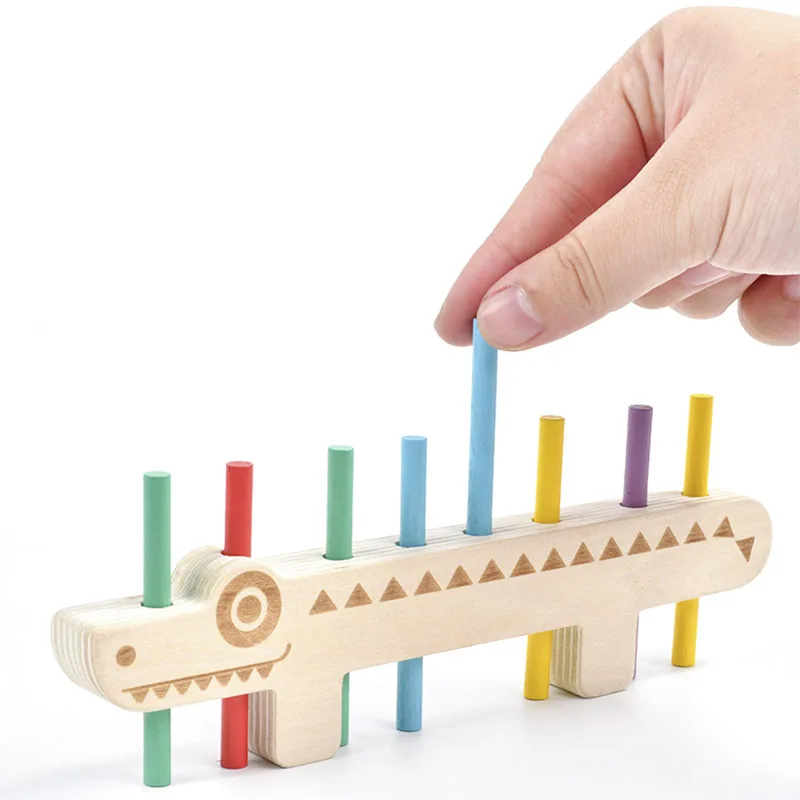
For guided counting, this peg board aligns with sticks and activity cards.
Color Matching Peg Board | Counting Sticks & Cards

For contained counting practice, this maze aligns with enclosed balls and color sorting.
Magnetic Color & Number Maze | Montessori Fine Motor Toy


