
Easy-to-Reset Sorting and Counting Activities for Preschoolers

A sorting session rarely fails because the idea is too hard. It fails because the setup asks for more handling than the session can carry. When the materials sprawl or the next move is unclear, the adult drifts back into operator mode, and the activity starts to feel heavier than it should.
Experienced screening starts with return path, visible load, and tool readiness, not with broad learning promises. That filter makes it easier to spot the formats that stay usable after the first round instead of becoming something you postpone.
Start with the smallest workable version, then keep only the parts that still feel easy to run and easy to put away.
On this page
Quick Win
Quick filter
- Keep one visible sort rule in one contained work zone.
- Use a set that already includes the core handling tools.
- Show the reset path from the start so cleanup does not become a second job.
The fastest way to lose a short sorting session is to begin with too many active pieces and no visible return path. What looks simple on the table turns into handling work, and the activity starts to feel like supervision before it feels like guided play.
Experienced operators screen for the next move before they screen for variety. A smaller setup is not a compromise here. It is the route that keeps the session readable, while the false shortcut is to show every option at once and hope clarity appears later.
Why Short Sessions Break Down So Easily
Short tabletop sessions break down when the adult has to explain too much, regroup too often, and rescue the flow before the child can stay with the task. The secondary cost is not just lost time. It is decision fatigue, because every extra intervention makes the format feel less repeatable.
The experienced filter is simple: screen for explanation load, grouping clarity, and storage logic before assuming the activity is low effort. The false shortcut is to judge only by category promise, because a format that looks broad or flexible can still collapse once the handling burden shows up.
How to Keep the Setup Contained

A setup can look low-prep and still push the work upstream into sorting, regrouping, and chasing scattered materials. That hidden transfer cost is what makes a routine start tired before the real task begins, and it quietly teaches people to avoid taking the activity out again.
Experienced screening looks for a contained workspace with a visible next move and an obvious return path. The false shortcut is to assume that any grouped pile counts as order, because grouping without readable zones still leaves the adult doing the navigation work.
Containment moves
- Separate active pieces, target groups, and reset space on the same surface.
- Keep grouped materials visible enough that the next move is easy to read.
- Treat re-collection as part of the activity flow, not as a separate task after it ends.
Containment is about visible control, not about adding more containers than the task needs.
What to Check Before You Choose a Set

Buying mistakes in this category usually start before the box arrives. The problem is not only choosing the wrong format. It is choosing a format that looks ready but still leaves the adult filling gaps in tools, fit, or first-use clarity.
Experienced buyers screen for readiness, visibility, and believable boundaries. The false shortcut is to trust broad listing language on its own, because a set only becomes decision-relieving when the handling tools, the task format, and the fit signals can all be checked without guesswork.
A Grounded Example of a Low-Prep Format

A format can feel acceptable once and still fail as a repeatable option. When restart friction stays high, patience drains early, the activity gets postponed, and the unit becomes something people stop reaching for even though the original idea still sounds useful.
That is where a grounded low-prep format changes the equation. An all-in-one setup with counters, bowls, and tongs lowers the amount of rescue work needed to get started, while the false shortcut is to treat loose readiness as good enough and pay the restart cost later in attention, handling, and avoidance.
Why this format reduces drag
- Counters, bowls, and tongs already sit in the same format, so the task and the handling tools are aligned from the start.
- Mixed shapes and compare-and-count cues keep the setup useful without forcing a second set into the session.
- A clear storage tube and compact footprint support a believable reset-and-store path after guided use.
Use unresolved fit details as boundaries, not as features.
How to Make First Use Clear

First use becomes harder when the adult has to translate the format before the child can act. That delay creates hesitation, and hesitation is expensive here because it makes the activity feel more demanding than the task itself.
Experienced operators reduce first-use friction by making the move, the target, and the return path visible before they ask for more range. The false shortcut is to stack too many goals into the opening pass, because a richer brief often produces a murkier start.
First-use clarity moves
- Start with one obvious move and one target area.
- Use visible grouping so the next step can be mirrored without long explanation.
- Add complexity only after the base task feels stable and easy to follow.
When This Format Is Not the Best Fit
The wrong fit does not always look dramatic at first. It often shows up as steady management drag, rising supervision demands, and a sense that the format asks for more control than the use case can comfortably give.
Experienced screening ends with boundaries, not with optimism. The false shortcut is to force a format past unresolved limits just because the concept is appealing, when the cleaner decision is to accept the mismatch and keep searching for a better operational fit.
Boundary cues
- Stop if the format depends on unsupervised use that the setup cannot realistically support.
- Stop if the decision depends on exact confirmed counts or fully stable fit labeling that remains unresolved.
- Stop if the handling needs point toward larger manipulatives rather than a small tabletop format.
A weaker fit is still a useful outcome if it prevents a poor purchase or a shelf-abandonment cycle.
Wrap-up checks
Choose the sorting and counting activity that stays visible, contained, and easy to reset, adjust by shrinking the active load when the setup starts to drag, and stop when the format depends on unresolved fit details or constant rescue work.
- The next move is easy to see without a long explanation.
- The core tools are already present rather than added through extra effort.
- The reset path feels believable enough that the activity can be repeated without dread.
Search again when the format still feels management-heavy, when fit signals stay unresolved, or when the handling needs point away from a small tabletop setup.
Run the same filter across any shortlist: visible next move, believable containment, clear tool readiness, and a reset path that does not create more work than the activity solves.
FAQ
A visible return path matters because cleanup works better when it stays inside the activity flow instead of arriving as a separate task at the end.
Contained grouping helps because active pieces, target areas, and storage space remain readable, which lowers the amount of rescue work during reset.
A compact storage path helps because the activity ends in a believable close rather than a scattered finish that discourages reuse.
Check whether the core tools are shown together, because missing accessories increase setup friction before the activity can even begin.
Check whether the listing shows real grouping or compare tasks, because first-use clarity depends on visible examples rather than generic learning claims.
Check whether fit claims remain consistent, because unresolved age or material signals limit confidence and should stay in the caution column.
A single-set format reduces setup switching because the main task and the core tools do not have to be assembled from separate sources.
Visible included parts lower validation effort because readiness can be checked before purchase instead of discovered later through friction.
A believable reset path matters because repeatability depends on how the session closes, not only on how it starts.
Start with one stable task because too many simultaneous goals raise first-use friction and turn the opening into translation work.
Use visible grouping and a clear target area because the next step becomes easier to mirror without extra interpretation.
Lean on simple guided examples because the adult can model the activity with less guesswork and less verbal overhead.
It is a weaker fit for unsupervised use because small loose parts increase management demands rather than reducing them.
It is a weaker fit when confirmed counts or fully stable variant details are required, because unresolved details make the decision less reliable.
It is a weaker fit when the handling need points toward larger manipulatives rather than a small tabletop format with guided control.
Recommended picks
Quick matches for this article

Animal Classification Toy Set with Bowls and Tongs for tabletop sorting — guided counting and classification play.
Animal Classification Toy Set with Bowls and Tongs

Carrot Harvest Sorting Tray Game with Cards & 24 Pieces for tabletop play — divided storage and sorting cards.
Carrot Harvest Sorting Tray Game with Cards & 24 Pieces
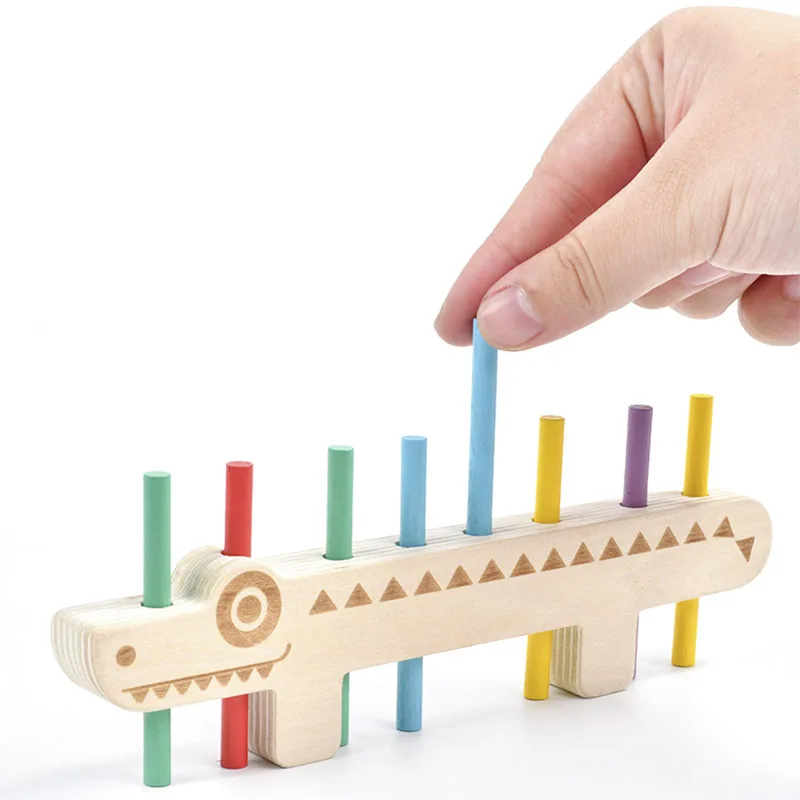
Color Matching Peg Board | Counting Sticks & Cards for early counting — supervised tabletop use with activity cards.
Color Matching Peg Board | Counting Sticks & Cards

Magnetic Color & Number Maze | Montessori Fine Motor Toy for guided counting — sealed board and color sorting.
Magnetic Color & Number Maze | Montessori Fine Motor Toy


