
Math Toys With Visible Answers Parents Can Check Together

Quick Take
Many math toys sound educational but still leave the adult guessing what the child actually meant. When the answer path stays fuzzy, a short practice task quickly turns into supervision work.
A stronger choice keeps one answer visible after each move, gives both people a clear review point, and makes the next correction easy to inspect. The useful toy is not the one with the biggest learning claim. It is the one that makes checking obvious.
- Choose a toy that keeps the answer visible after each move and supports shared review.
- When the fit feels weak, reduce the task to one short visible move and see whether the result still stays readable.
- Walk away when the adult still has to interpret every output or the product page leaves key details too unclear to trust.
Why visible answers matter in early math
Hidden or fleeting outputs create a quiet problem: the adult stops reviewing a result and starts judging intention instead. That shift adds friction fast, because the practice task no longer feels clear even when the toy claims to be simple.
A visible answer makes correction more concrete because the child can see what changed instead of relying only on a spoken recap. Broad math branding is not enough. The stronger filter is whether the answer path stays readable after each move.
What answer visibility changes
- It lowers checking ambiguity.
- It makes correction more concrete.
- It turns the answer path into something both people can inspect.
A toy can look educational and still fail this test.
How to review one move together

A toy can look low-prep and still be draining when the answer disappears too quickly or never settles into something both people can inspect. Then every short session starts tired, because the adult has to rebuild the logic before checking can even begin.
The stronger review format keeps one answer in view long enough for shared inspection. Useful review can still work without a hard right-or-wrong lock if visible retry stays clear. The false shortcut is the toy that looks easy but quietly sends every correction back to adult interpretation.
Shared review loop
- Set one short prompt.
- Let the child complete one visible move.
- Inspect the same output together.
- Adjust only after the answer has been seen clearly.
The loop should reduce interpretation, not add another layer of explanation.
Why a visible answer format can reduce guesswork

Guesswork survives when a toy shows activity but not a readable answer surface. Then correction stays verbal, restart drag grows, and the routine never feels as light as it promised.
Formats that keep numbers and operators on the task surface reduce hidden checking load because the answer remains available for review instead of living only in spoken prompts. A compact visible format can still work well when short retry loops stay readable and easy to follow.
What reduces guesswork
- Numbers and operators stay on the task surface.
- The answer remains available for review.
- A short retry loop stays readable instead of scattering the logic.
What this format is actually solving
- Hidden checking load drops.
- Restart drag stays lighter.
- Review becomes more repeatable.
The goal is answer clarity, not broad lesson coverage.
How to tell if the fit is strong
A toy can look close enough at purchase and still become something that quietly stops coming off the shelf when the fit is weak. Sessions stall, patience thins, and the adult starts anticipating rescue before the first move has settled into a readable result.
Fit becomes stronger when the learner already recognizes at least some of the symbols in the task, because answer visibility only helps when the output is meaningful enough to inspect. If the adult still has to interpret every output, the fit is weak even when the toy appears workable at first glance.
Strong-fit signs
- The learner already recognizes at least some of the symbols in the task.
- One short visible move can be completed without constant rescue.
- The adult is reviewing an output, not interpreting an intention.
Weak-fit cues
- The output still feels too abstract to inspect.
- Shared checking keeps collapsing into rescue.
- The toy looks close enough on paper but never becomes easier to review.
Weak fit usually appears as repeated stall points rather than one dramatic failure.
Best first step when fit feels weak
Reduce the task to one short visible move and see whether the child can still follow what happened without constant rescue. If the result stays fuzzy even at that level, the toy is probably asking for more than it seems.
What to verify before you buy

A vague product page creates a familiar trap: the idea sounds easier than the real screening work, so uncertainty gets postponed until the toy reaches the table. That delay usually costs more time than the initial promise saved.
The stronger route is simple: verify the symbol layout, check whether version differences change the answer path, and refuse to treat unclear seller details as settled proof. That saves more effort than trying to rescue a weak purchase later.
Verification checks
- Confirm the printed symbol set and task layout.
- Check whether version differences change what can actually be shown during review.
- Treat broad seller details as items to verify until the listing becomes clearer.
Listing clarity matters because answer visibility depends on what will actually arrive.
Final screen
- Choose the toy for reviewable practice and visible retry.
- Walk away when the page creates more uncertainty than the toy removes.
A usable visible-answer toy should lower checking load before it asks for trust.
Wrap-up checks
The right math toy is the one that keeps the answer visible, lets both people review one move together, and stays strong enough to avoid constant rescue.
- The answer stays visible after the move.
- Shared review feels lighter than adult interpretation.
- The fit is strong enough to avoid constant rescue.
- The listing is clear enough to trust what will actually be shown.
Search again when the answer path still feels fuzzy, the fit keeps depending on rescue, or the listing leaves version details too unclear to verify.
Use these checks to compare any candidate toy against answer visibility, shared review, fit strength, and listing clarity.
FAQ
What makes a math toy easier for parents to check together?
A math toy is easier to check together when the answer stays visible long enough for both people to inspect the same output.
The review loop should reduce interpretation, not add another layer of explanation. A stronger toy lowers checking ambiguity by keeping one move readable after it happens.
Does a math toy need a built-in right-or-wrong stop to be useful?
No. A math toy can still be useful when visible retry keeps the answer inspectable during review.
The key issue is answer clarity, not whether the toy physically blocks every wrong move. What matters most is whether shared checking stays readable instead of turning back into guesswork.
When does a visible-answer toy still create guesswork?
It still creates guesswork when the actual answer path stays unclear even though the toy looks educational on the surface.
Guesswork remains when the adult still has to interpret what the child meant after each move. A visible surface helps only when the answer format stays readable enough to inspect.
How do I know if the fit is strong for my child?
Fit is stronger when the child already recognizes at least some of the symbols in the task and can stay with one short visible move without constant rescue.
Weak fit usually shows up as repeated stall points rather than one dramatic failure. A strong fit reduces checking burden instead of shifting it back to the adult.
What should I verify before buying a visible-answer math toy?
Verify the symbol layout and whether version differences change what can actually be shown during review.
Review depends on what the toy can actually show, not on a broad product promise. Do not treat unclear seller details as settled facts when the listing remains unstable.
Recommended picks
Quick matches for this guide

For visible review, Rotating Arithmetic Numbers Cube Toy aligns with visible math symbols.
Rotating Arithmetic Numbers Cube Toy for Kids

For shared review, Wooden Finger Counting Board aligns with number blocks and math cards.
Wooden Finger Counting Board | Montessori Math Toy
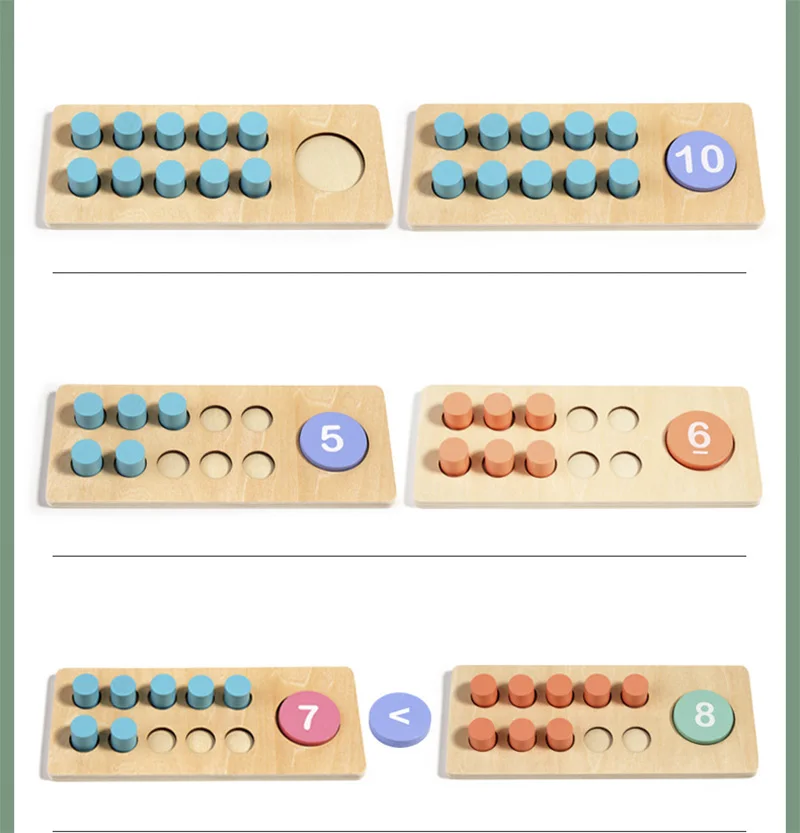
For visible math practice, ten-frame math set aligns with addition and subtraction.
Wooden ten-frame math set for addition and subtraction (number board + cards + tokens)
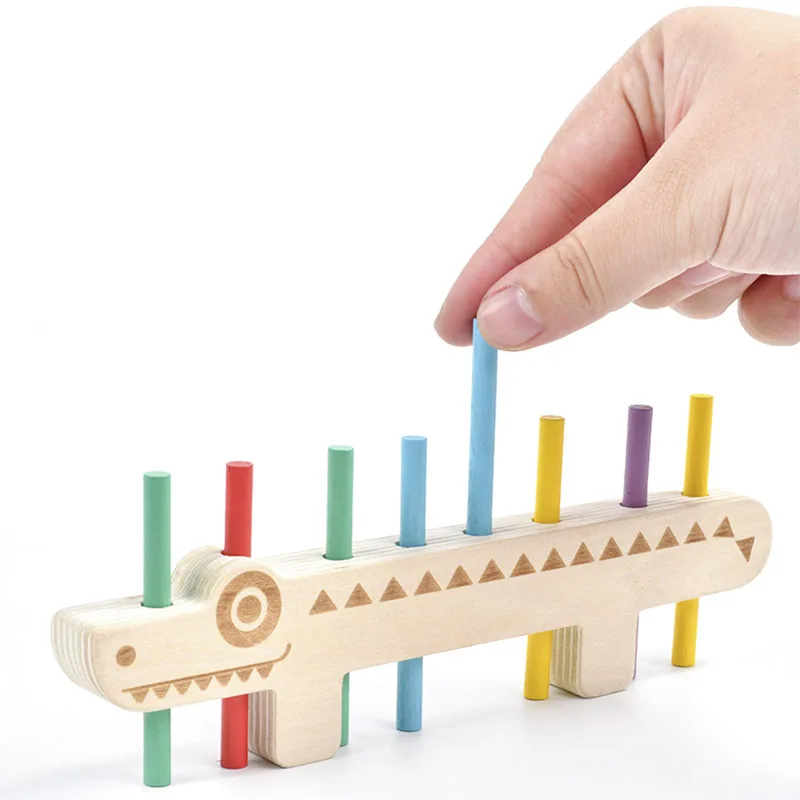
For tabletop checking, Color Matching Peg Board aligns with counting sticks and cards.
Color Matching Peg Board | Counting Sticks & Cards
![[Quantity Sense]Can a Child Count but Still Lack Number Sense?](http://learnplayful.com/cdn/shop/articles/cover_image_85e5ec93-0bcc-4c4d-a429-c4e5dba3fa04.png?v=1776181279&width=533)


