

Math Manipulative vs Worksheet for Early Arithmetic: When Each Fits Better

Paper looks efficient until the child cannot hold the arithmetic relation clearly enough to act on it. At that point the task stops being practice and turns into repeated adult rescue, which is where routine energy starts leaking.
Experienced screening begins with the format that makes the rule visible first, then shifts to paper only after the pattern can already survive without constant translation. That is not a soft preference. It is the difference between a routine that compounds and one that gets quietly avoided.
On this page
- Quick Win
- When concrete practice fits better than paper
- What worksheets still do better
- How to move from object work to paper without confusion
- A compact rule-based option for short arithmetic practice
- What to verify before you buy any math manipulative
- When this format is the wrong fit
- Wrap-up checks
- FAQ
Quick Win
The wrong starting format creates a problem that looks smaller than it is. A worksheet can seem tidy, but if the child cannot yet hold the arithmetic relation in view, the page turns into a guessing task and the adult gets pulled back into constant correction.
The better filter is simpler and harsher: start where the rule can stay visible. The lazy shortcut is choosing paper because it looks efficient on the surface, when the real cost shows up later as rescue work, stalled confidence, and a routine that never settles.
Quick filter
- Start with a concrete format when the child still needs to see the relation rather than infer it from symbols alone.
- Use paper after the pattern already makes sense and the goal has shifted from entry to reinforcement.
- Keep both in play when understanding needs a visible bridge first and repetition needs a lighter follow-through next.
When concrete practice fits better than paper
Concrete practice fits better when paper is asking for abstraction too early. That is usually the moment when the child stops working on the rule itself and starts fighting the symbols, while the adult has to keep translating what the task was supposed to mean.
This is where math manipulatives earn their keep: they lower the abstraction load and keep intent visible long enough for the child to act on it. The false economy is staying on paper because it appears simpler, when that choice often creates more hidden effort later through repeated prompting and unstable understanding.
What worksheets still do better
A concrete format can solve the entry problem and still become too heavy if it keeps carrying work it no longer needs to carry. When every round requires setup that the child has already outgrown, the routine starts tired before the arithmetic even begins, and that upstream drag turns into patience loss and quiet avoidance.
Worksheets are stronger once the pattern is already stable because they strip away rebuild cost and make review faster. The wrong shortcut is treating the richer format as the better format forever, when experienced screening knows that extra structure becomes dead weight the moment reinforcement matters more than initial clarity.
How to move from object work to paper without confusion

Most handoffs fail for one reason: the format changes before the rule is secure. Then paper mistakes get blamed on effort or focus, even though the real problem is that the child lost the visible path that was still doing necessary work.
The experienced move is to keep the logic stable and reduce support only after the child can read and explain the same relation in view. The tempting shortcut is switching to paper the moment one concrete round looks successful, but that usually confuses performance with readiness and creates avoidable backtracking.
Make the handoff clean
- Keep the arithmetic task the same while changing only the format.
- Shift toward paper after the child can read and explain the visible relation without relying on the object to think in place of them.
- Return to the concrete format when paper errors show symbol confusion rather than simple inattention.
A compact rule-based option for short arithmetic practice


A compact format only helps if people keep reaching for it. When a tool feels bulky, vague, or slow to restart, it becomes the kind of thing that looks useful on the shelf and then quietly disappears from the routine once patience starts running thin.
A rotating arithmetic cylinder avoids part of that failure path because the number and operator bands keep the task visible while allowing quick retry through small adjustments. The misleading shortcut is choosing something more open-ended when the real nuisance is lack of structure, because a child who needs visible equation review usually does not need more freedom so much as a clearer rule path.
Where this compact format helps
- Use it when the goal is visible equation review instead of open-ended exploration.
- Use it for short home practice sessions that need quick retry rather than a long setup-heavy lesson.
- Use it when comparison-sign practice and simple equation prompts need to stay structured and easy to check together.
This format supports visible review and retry, not fixed physical locking.
What to verify before you buy any math manipulative

The wrong object creates a different kind of friction than the wrong worksheet. If the symbol set is unclear, the validation style is mismatched, or the stage fit is being guessed at, the product does not lower decision load at all; it adds another layer of uncertainty that the adult has to manage later.
Experienced screening verifies the child’s symbol recognition first, then checks what the object actually asks the learner to do, and only then decides whether the format matches the job. The weak shortcut is assuming that any math-looking manipulative will work the same way, when small differences in symbols and checking style are exactly where the fit usually succeeds or fails.
When this format is the wrong fit
The cleanest save is often refusing the wrong fit early. A symbol-based manipulative will frustrate the routine when the child is not ready for printed math marks, and a format built around visible review will disappoint buyers who expect the object itself to enforce one locked answer.
Experienced screening treats these boundaries as cost control, not pessimism. The costly shortcut is stretching a partial self-check tool into a full curriculum role, because that mistake turns a useful practice aid into a daily mismatch the routine has to absorb.
Choose another route if
- The child cannot yet work meaningfully with printed numerals or operation marks.
- You need fixed-slot right-or-wrong locking from the object itself.
- You are really looking for a full teaching system rather than a compact practice manipulative.
Wrap-up checks
Choose a concrete format first when the relation still needs to stay visible, move to paper when the pattern can already stand on its own, and reject any compact manipulative that asks the child or the buyer to do work it cannot realistically carry.
- You can explain which nuisance you are solving first: abstraction load, review speed, or validation style.
- You know whether the child is ready for printed arithmetic symbols or still needs a more basic entry point.
- You have decided whether visible review is enough or whether fixed physical locking is non-negotiable.
- You are treating a compact manipulative as practice support, not as a full teaching system.
Search again when the child’s symbol readiness changes, when the routine shifts from concept entry to reinforcement, or when the exact variant details remain unclear.
Use the verification checklist on the specific listing before deciding whether the compact rule-based format matches the routine you actually need.
FAQ
The choice is less about category names and more about what the child needs to see clearly in order to work. If visible structure is still doing essential support, a concrete format usually earns its place before paper does.
For early arithmetic, the stronger fit is a manipulative that keeps the task legible during use and allows the result to stay available for review. That is why compact rule-based formats can help when the goal is guided retry rather than open-ended exploration.
The first disadvantage is operational: some formats ask for more setup and more restart effort than the routine can comfortably absorb. When that happens, the tool may look educational and still get used less and less over time.
The second disadvantage is fit. A symbol-based manipulative becomes a poor choice when the child is not ready for printed math marks, and even a good format can feel wrong if the buyer expects one locked answer per move rather than partial self-check through visible arrangement.
That visible support matters because early errors are often not about effort; they come from trying to process a relation that still needs to be seen, handled, and checked in view.
A manipulative works best when it acts as a bridge rather than a substitute for every later format. Once the child can read and explain the same relation without leaning on the object, paper becomes easier to introduce without confusion.
A formal grade band can sound helpful and still miss the real screening question. What matters more is whether the child can meaningfully work with the symbols the format presents.
That is why stage fit should be checked directly instead of assumed from age or grade language alone. If the learner can already recognize at least part of the symbol set, a visible arrangement task has a better chance of helping rather than confusing.
Recommended picks
Quick matches for this article

For visible equation review, Rotating Arithmetic Numbers Cube Toy aligns with short practice loops.
Rotating Arithmetic Numbers Cube Toy for Kids
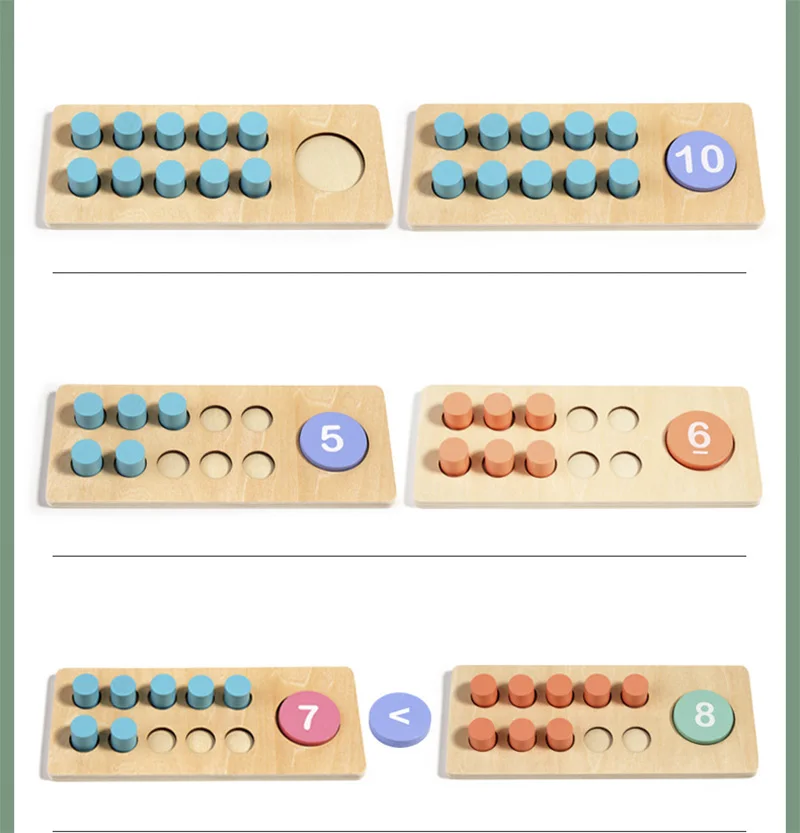
Wooden ten-frame math set for structured addition practice — number board, cards, tokens.
Wooden ten-frame math set for addition and subtraction (number board + cards + tokens)

For hands-on early arithmetic, Wooden Finger Counting Board aligns with math cards.
Wooden Finger Counting Board | Montessori Math Toy
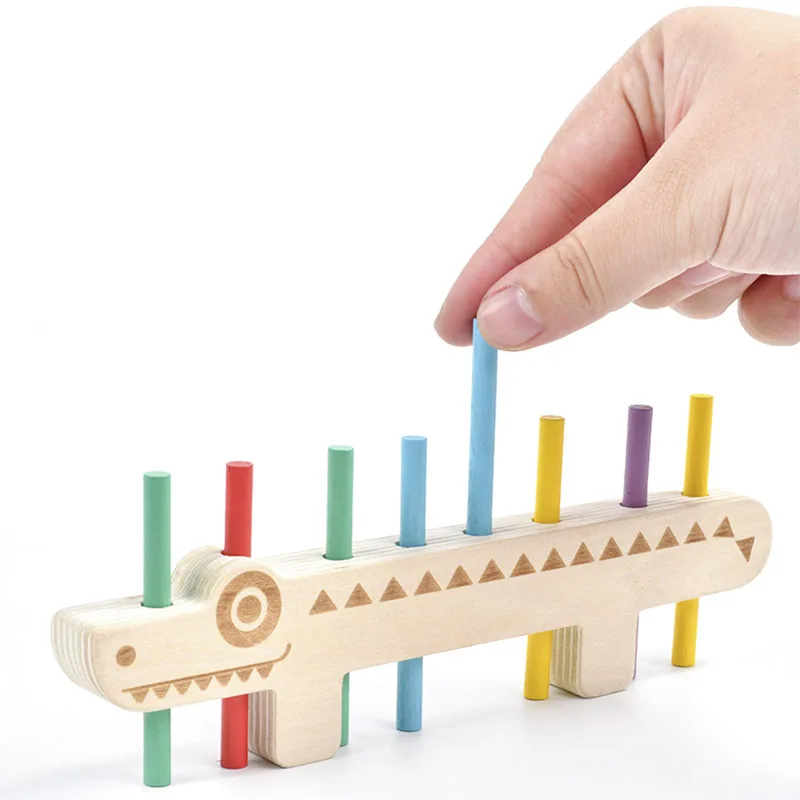
Color Matching Peg Board for guided tabletop use — counting sticks and cards.
Color Matching Peg Board | Counting Sticks & Cards
![[Controlled Lines]Why Tracing Worksheets Are Not Helping Preschool Line Control](http://learnplayful.com/cdn/shop/articles/cover_image_68e032dd-0c39-478c-9331-46e214f49d05.png?v=1776241175&width=533)
![[Controlled Lines]Child Can Hold a Pencil but Still Can’t Trace Lines? What It Usually Means](http://learnplayful.com/cdn/shop/articles/cover_image_d400d053-e9dc-4cf0-8698-dbc86a57f3e7.png?v=1776237415&width=533)
![[Controlled Lines]Pre-Writing Skills Before Handwriting: What Matters First](http://learnplayful.com/cdn/shop/articles/cover_image_73c88a31-18cf-45f5-805c-ba76a76ea328.png?v=1776222234&width=533)
