
At-Home Tabletop Play Ideas: Simple Setup Checklist
Fun ideas fail when the first move is unclear and the turn flow stalls. Keep it contained: a clear surface, a visible cue, and a reset you can repeat.
Make turns predictable so the loop keeps moving without constant coaching. If the surface stops feeling clear or frustration rises, pause and tidy.
On this page
- Quick checklist for simple tabletop play
- The repeatable tabletop loop
- Set up bounds with a contained surface
- Micro play scripts for solo and turn taking
- No equipment and quick DIY tabletop games
- Fine motor, sorting, and matching ideas
- Neutral criteria for choosing easy tabletop options
- Mess, safety, and pause cues
- FAQ
Quick checklist for simple tabletop play

For at home tabletop play ideas for kids with simple setup, the fastest start is to lock the surface, the cue, and the reset before you pick the theme.
Fast start
- Pick a contained surface and decide the play boundary.
- Choose a mode that matches attention and energy right now.
- Set a clear start cue and a clear stop cue.
- Plan the reset step before the first round begins.
The repeatable tabletop loop

- Set a visible cue that signals what happens next.
- Let the child attempt without adding extra explanation mid-turn.
- Show feedback in a calm way that matches what happened.
- Reset the surface so the next try feels obvious.
- Keep the loop consistent even when the theme changes.
- If you keep changing the rule mid-round, the loop stops feeling learnable.
- Place the cue where eyes naturally land before the first move.
Set up bounds with a contained surface
- Keep the same cue and reset loop, but run it on a contained surface.
- Use a contained play tray or defined surface to keep pieces contained.
- Choose materials that are easy to sort and easy to retrieve.
- Decide what stays on the table and what stays off it before play begins.
- Use mess control tips as a quick gate: if cleanup feels annoying now, it will feel worse later.
- If pieces can spill past the boundary, reset stops being easy and replay drops.
- Keep the reset container open and within reach before you start.
Micro play scripts for solo and turn taking

A micro script works when the cue and the turn prompt do more work than your words. If you find yourself narrating every move, the script is too heavy for replay.
- Use the same cue-feedback-reset loop, then add short turn prompts to keep it moving.
- Open with a start cue that does not require explanation.
- Use a simple prompt for each turn so the flow stays predictable.
- Make the outcome visible so each turn feels meaningful.
- Swap only one element at a time to keep replay smooth.
- If the script needs long explanation, it stops working as a quick start.
- Keep each turn to one clear move before the reset.
- Solo mode: the cue points to the next placement, the outcome is a clear match or mismatch, the reset returns pieces to a known spot.
- Turn taking tabletop games: keep prompts short and consistent, and let the reset signal whose turn is next.
- Freshness without complexity: change only the target or the order, not the whole rule.
No equipment and quick DIY tabletop games
For at home tabletop play ideas for kids with simple setup, the fallback is not a new theme but a simpler reset. If you can reset without thinking, you can repeat without planning.
- Keep the cue and reset simple even when you use household items.
- No equipment indoor games work best when tokens and sorting targets are obvious at a glance.
- Prefer quick DIY tabletop games that are mostly arranging, not building.
- Choose rules that reset fast and stay consistent across rounds.
- Avoid DIY builds that create cleanup friction later.
- If the DIY setup takes effort to rebuild, replay will quietly disappear.
- Trade novelty for a reset you can do without hesitation.
Fine motor, sorting, and matching ideas
- Use sorting and matching games as the task inside the same cue-feedback-reset loop.
- Pick tasks that reward careful placement and steady hands with a visible outcome.
- Add a small variation by changing only the target or the grouping rule.
- Keep the surface readable so the next step stays obvious.
- If the surface gets visually noisy, the next move stops being clear and turns stall.
- Keep a single return spot and a clear done area so tidy feels automatic.
Neutral criteria for choosing easy tabletop options

A neutral checklist is useful because it filters out options that look good once but fail at replay. The fastest signal is whether the surface makes the next step obvious without you having to keep the rules alive.
- When choosing options, prioritize a clear start flow and a reset that stays calm.
- Look for clear components and a first step that is obvious on the surface.
- Prefer options that support turn flow without constant coaching.
- Check storage fit and reset simplicity before committing.
- Adjust expectations by readiness cues rather than rigid labels.
- Browse a category page to compare and shortlist options using these checks.
- Open the related guide if replay breaks mainly due to mess or reset friction.
- Do not treat labels as a guarantee; use what you can observe in the moment.
- Trade a little novelty for a reset you can do without frustration.
Shortlist flow
- Pick a small set of options that have clear components and a simple first move.
- Run a quick surface check for reset and storage fit before you bring it out.
- Keep the option only if turn flow stays predictable without extra coaching.
Mess, safety, and pause cues
If the play keeps escalating even after simplifying the surface and cues, treat that as a boundary and stop rather than trying to rescue the activity.
- Pause when attention drops or frustration rises.
- Reduce choices when the surface looks overwhelming.
- Use a calm reset step instead of pushing through.
- End with a clear tidy cue so returning feels easy.
FAQ
Pick a contained surface and make the next step obvious on the table.
Choose rules that stay consistent across rounds so you do not need to re-explain.
Avoid setups that turn cleanup into the main event.
Make the start cue obvious so play begins without a long setup talk.
Keep the loop consistent and change only small parts to keep replay smooth.
Skip DIY builds that create extra cleanup friction later.
Choose tasks with visible outcomes so turns feel meaningful without extra narration.
Use short turn prompts or a simple solo flow so the activity does not stall.
Keep the surface readable so the next move stays obvious.
Prefer options that support turn flow without constant coaching.
Check reset and storage fit before you commit to bringing it out.
Use readiness cues to adjust expectations instead of relying on rigid labels.
Recommended picks
Quick matches for this article
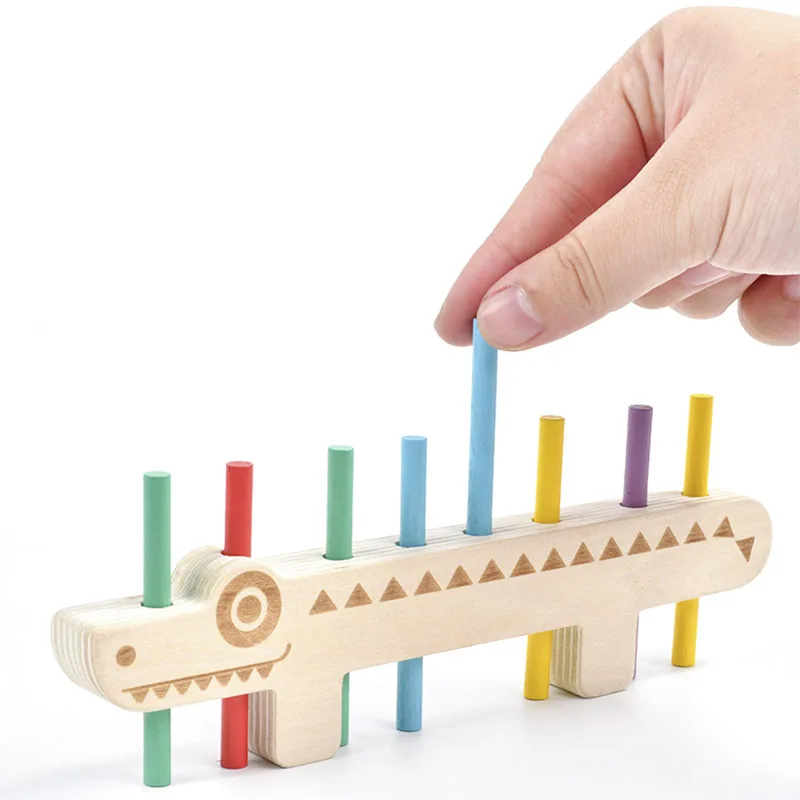
Color Matching Peg Board for tabletop play — color sequencing and pattern matching.
Color Matching Peg Board | Counting Sticks & Cards

Wooden Peg Board for tabletop turns — color and shape matching practice.
Wooden Peg Board Fine Motor Toy for Preschool Kids

Magnetic Color & Number Maze for simple play — color sorting and early counting.
Magnetic Color & Number Maze | Montessori Fine Motor Toy

Matching & Puzzle Picture Cards for simple setups — focus and memory.
Matching & Puzzle Picture Cards for Preschool Learning

Montessori Busy Book for calm routines — quiet travel-friendly activities.
Montessori Busy Book for Toddlers 1–3 | Quiet Activity


